
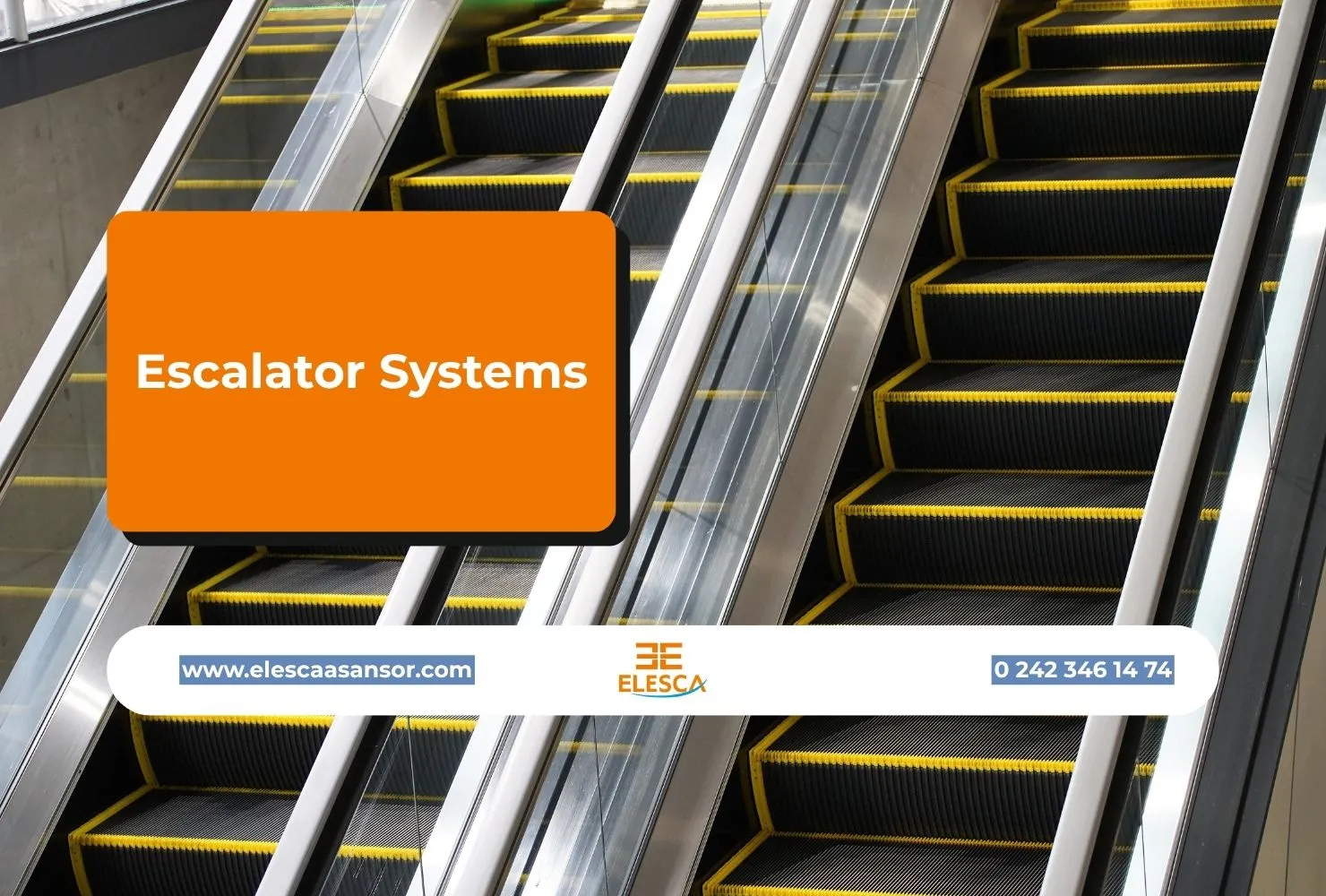
Escalator Systems
Escalator Systems Components, Spare Parts, Maintenance, and Supply Guide
Escalator systems are essential vertical transportation solutions used in shopping malls, airports, metro stations, hotels, business centers, hospitals, public buildings, and high-traffic commercial areas. These systems are designed to move people safely, continuously, and efficiently between different floor levels. Unlike elevators, which operate in cabins and serve passengers in batches, Escalator systems provide constant movement and help manage heavy pedestrian flow without long waiting times. A reliable escalator is not only a moving staircase. It is a complete mechanical and electrical system made up of precision-engineered components such as escalator handrails, pulleys, step rollers, step chains, comb plates, control panels, steps, C return chains, handrail inlet covers, and step skirting. Each part plays a direct role in passenger safety, ride comfort, durability, and system performance. Elesca Elevator & Escalator Systems, based in Antalya, supplies high-quality Elevator, Moving Walk, and Escalator spare parts for domestic and international markets. Working with leading industry brands and expert solution partners, Elesca Elevator & Escalator Systems provides dependable product and service solutions for companies seeking long-term performance in Escalator systems.
What Are Escalator Systems?
Escalator systems are motor-driven transportation systems that use a continuous chain of moving steps to carry passengers between floors. The steps move along a guided track system and remain level throughout the passenger travel area. At the top and bottom landings, the steps flatten out to allow safe entry and exit. A standard escalator system includes mechanical, electrical, safety, and structural components. The motor and drive system provide movement. The step chain pulls the steps. The handrail moves at the same speed as the steps. The control panel manages operation, direction, speed, and safety functions. Safety parts such as comb plates, step skirting, sensors, and inlet covers help reduce operational risks. In simple terms, Escalator systems are designed to combine movement, safety, stability, and passenger comfort in one integrated structure.
Where Are Escalator Systems Used?
Escalator systems are commonly used in areas where large numbers of people need to move quickly between floors. They are especially valuable in locations where continuous passenger flow is more practical than elevator-only transportation. Common application areas include: Shopping malls, retail stores, airports, metro stations, train stations, hospitals, hotels, exhibition centers, office buildings, public institutions, entertainment centers, and industrial facilities. In commercial buildings, Escalator systems improve accessibility and help guide customer movement between floors. In transportation hubs, they reduce congestion and support fast passenger circulation. In public buildings, they make daily movement easier for visitors, staff, and service teams.
Main Components of Escalator Systems
The performance of Escalator systems depends on the quality and compatibility of their components. Even a small worn part can affect movement, noise level, safety, and energy efficiency. For this reason, spare parts must be selected carefully according to system model, technical dimensions, load capacity, and operating conditions.
Escalator Handrail
The escalator handrail is one of the most visible and frequently used components in Escalator systems. It moves along with the steps and gives passengers support while traveling. A quality handrail must offer good grip, smooth movement, durability, and resistance to wear. Handrail problems can cause passenger discomfort and safety concerns. Common issues include cracking, slipping, speed mismatch, surface wear, and deformation. Replacing the handrail with a compatible and high-quality spare part helps maintain both appearance and operational safety. Elesca Elevator & Escalator Systems supplies escalator handrails suitable for different system requirements and operating environments.
Pulley
Pulleys are important movement and transmission components within Escalator systems. They help guide belts, chains, and related moving parts. A properly functioning pulley supports smooth operation and reduces mechanical stress. Worn or damaged pulleys can cause vibration, abnormal noise, belt wear, and movement irregularities. Because escalators operate for long hours in busy locations, pulleys must be strong, accurately manufactured, and compatible with the system design.
Step Roller
Step rollers carry and guide the escalator steps along the track. They are among the most important wear parts in Escalator systems because they work continuously under load. A good step roller should provide quiet operation, smooth movement, high load resistance, and long service life. When step rollers are worn, passengers may feel vibration or uneven movement. Technicians may also notice noise, friction, or irregular step travel. Replacing worn step rollers on time helps protect the step chain, track system, and overall escalator mechanism.
Step Chain
The step chain connects and moves the escalator steps. It is one of the core mechanical parts of Escalator systems. The chain must withstand constant load, movement, tension, and environmental conditions. A weak, stretched, or worn step chain can affect step alignment and safe operation. For this reason, step chain inspection is a critical part of escalator maintenance. Proper lubrication, tension control, and timely replacement help prevent major breakdowns. Elesca Elevator & Escalator Systems supplies step chains for professional escalator spare part needs in domestic and international markets.
Comb Plate
The comb plate is located at the entrance and exit points of the escalator. It has teeth that fit between the grooves of the escalator steps. In Escalator systems, the comb plate helps provide a safer transition between the moving steps and the fixed landing area. Damaged comb plates can create safety risks and should be replaced quickly. Cracked teeth, broken edges, poor alignment, or excessive wear may increase the chance of objects getting caught. A compatible comb plate improves safety and helps the escalator operate according to expected standards.
Escalator Control Panel
The escalator control panel is the electrical command center of Escalator systems. It manages start, stop, direction, speed, safety circuits, fault signals, and system monitoring. A reliable control panel helps ensure stable and safe operation. Modern escalator control panels may include advanced safety monitoring, fault diagnosis, energy-saving functions, and integration with building management systems. If the control panel is outdated, damaged, or unreliable, the entire escalator system may experience frequent stoppages. Elesca Elevator & Escalator Systems provides escalator control panel solutions for businesses seeking dependable operation and technical compatibility.
Escalator Step
The escalator step is the platform passengers stand on. In Escalator systems, steps must be strong, stable, slip-resistant, and precisely aligned with the step chain and track system. Most escalator steps are made from aluminum or other durable materials designed for heavy use. Step damage may include cracks, broken cleats, worn grooves, deformation, or surface wear. Damaged steps can affect passenger safety and system movement. Replacing escalator steps with compatible parts helps restore safe and smooth operation.
C Return Chain
The C return chain is used in specific movement and return mechanisms within Escalator systems. It supports proper circulation and coordinated motion of related components. Like other chain parts, it must be durable, accurately sized, and resistant to continuous mechanical stress. A worn C return chain can cause system imbalance, noise, irregular movement, or increased pressure on connected parts. Regular inspection and replacement help extend the service life of the escalator mechanism.
Handrail Inlet Cover
The handrail inlet cover is located where the handrail enters the balustrade area. In Escalator systems, this part helps protect passengers by covering the handrail entry point and reducing the risk of foreign objects entering the mechanism. A broken or missing handrail inlet cover should not be ignored. It is a visible safety component and contributes to the overall protection of the system. High-quality inlet covers improve safety, appearance, and operational reliability.
Step Skirting
Step skirting is installed along the sides of the escalator steps. In Escalator systems, skirting helps reduce the gap between the moving steps and the side panels. This area is important for passenger safety and system protection. Damaged, misaligned, or worn step skirting can increase friction and create safety risks. Properly installed skirting supports smooth movement and helps protect passengers from side-gap hazards.
How Do Escalator Systems Work?
Escalator systems work through a coordinated movement of steps, chains, tracks, motor, handrail drive, and control equipment. The electric motor powers the drive system. The drive system moves the step chain. The step chain pulls the steps along a fixed track. As the steps move, the track geometry keeps them flat in the passenger area and guides them into a compact return position underneath the escalator. At the same time, the handrail drive moves the handrail at a speed that matches the steps. The control panel monitors operation and safety circuits. If a fault or unsafe condition occurs, the escalator can stop automatically depending on system configuration. The quality of each component directly affects how smoothly Escalator systems operate. A worn roller, stretched chain, damaged comb plate, or faulty control panel can interrupt the entire system.
Why Spare Part Quality Matters in Escalator Systems
Spare part quality is one of the most important factors in the performance of Escalator systems. Because escalators often work many hours every day, their components must resist wear, load, heat, vibration, and repeated movement. Low-quality or incompatible parts may cause frequent breakdowns, safety risks, noisy operation, and higher maintenance costs. In contrast, high-quality spare parts provide better durability, safer operation, and longer service intervals. Important quality factors include material strength, dimensional accuracy, compatibility with the escalator model, load capacity, resistance to wear, and manufacturing consistency. Elesca Elevator & Escalator Systems works with leading industry brands and expert solution partners to deliver reliable spare parts for Escalator systems in both local and international markets.
Common Problems in Escalator Systems
Even well-designed Escalator systems require regular inspection and maintenance. Over time, mechanical and electrical parts can wear down due to heavy traffic, environmental conditions, lack of lubrication, or incorrect installation. Common problems include unusual noise, vibration, handrail speed mismatch, worn step rollers, damaged comb plates, stretched step chains, control panel faults, broken step edges, worn pulleys, and damaged skirting. When these problems appear, early diagnosis is important. Replacing only the damaged part at the right time can prevent larger failures and reduce downtime. For example, replacing worn step rollers may prevent track damage. Replacing a damaged comb plate may improve passenger safety. Servicing the control panel may reduce unexpected stoppages.
Maintenance Tips for Escalator Systems
Regular maintenance helps Escalator systems operate safely and efficiently. Maintenance should always be performed by qualified technicians using compatible spare parts and proper technical procedures. Key maintenance practices include checking step rollers for wear, inspecting step chains for tension and elongation, cleaning the comb plate area, checking handrail condition, testing safety switches, inspecting pulleys, reviewing control panel fault records, checking step alignment, inspecting skirting gaps, and confirming smooth operation. Preventive maintenance is usually more cost-effective than emergency repair. A well-maintained escalator offers better ride comfort, fewer stoppages, longer component life, and improved user safety.
How to Choose Spare Parts for Escalator Systems
Choosing the right spare parts for Escalator systems requires technical accuracy. The part must fit the escalator model, match the required dimensions, and meet the expected performance level. Before ordering spare parts, businesses should identify the escalator brand, model, part number if available, technical measurements, installation location, and operating conditions. Photos of the existing part may also help confirm compatibility. For critical components such as step chains, step rollers, comb plates, handrails, and control panels, expert guidance can prevent incorrect purchases. Elesca Elevator & Escalator Systems supports customers in selecting suitable spare parts according to project and maintenance needs. For product and supply information, customers can contact Elesca Elevator & Escalator Systems at +90 242 346 14 74.
Benefits of Reliable Escalator Systems
Reliable Escalator systems provide important advantages for building owners, facility managers, maintenance companies, and passengers. They improve people flow, reduce waiting time, increase accessibility, and support the efficient use of building space. For commercial properties, escalators help direct customer movement and improve the shopping experience. For transportation facilities, they reduce congestion and support fast passenger transfer. For hotels and business centers, they add convenience and improve building functionality. From a technical perspective, reliable Escalator systems reduce breakdown frequency, lower long-term maintenance costs, improve safety, and extend equipment service life.
Escalator Systems and Moving Walk Solutions
Although Escalator systems are designed for vertical movement between floors, moving walks are used for horizontal or slightly inclined passenger transportation. Both systems share similar engineering principles and require high-quality spare parts for safe operation. Elesca Elevator & Escalator Systems supplies spare parts for Elevator, Moving Walk, and Escalator applications. This wide product range allows customers to source multiple transportation system components from one professional supplier. Moving walk systems may also require handrails, rollers, chains, control components, skirting parts, and other technical spare parts. The same principles of compatibility, durability, and safe operation apply to both escalators and moving walks.
Why Choose Elesca Elevator & Escalator Systems?
Elesca Elevator & Escalator Systems is based in Antalya and provides Elevator, Moving Walk, and Escalator spare parts for domestic and international markets. The company works with leading industry brands and expert solution partners to deliver high-quality products and dependable service. Customers choose Elesca Elevator & Escalator Systems for product variety, technical support, quality-focused supply, international service capability, and experience in escalator spare parts. The company’s product range includes escalator handrails, pulleys, step rollers, step chains, comb plates, escalator control panels, steps, C return chains, handrail inlet covers, and step skirting. These products support the safe and efficient operation of Escalator systems in different building types and usage conditions.
Frequently Asked Questions About Escalator Systems
What is an escalator system?
An escalator system is a motor-driven moving stairway designed to transport passengers between floors. Escalator systems include steps, chains, rollers, handrails, pulleys, control panels, comb plates, skirting, and safety components.
What are the main parts of escalator systems?
The main parts of Escalator systems include the escalator handrail, pulley, step roller, step chain, comb plate, escalator control panel, step, C return chain, handrail inlet cover, and step skirting.
Why is the step chain important?
The step chain moves the escalator steps and keeps them connected in a continuous motion. In Escalator systems, a worn or stretched step chain can affect alignment, safety, and smooth operation.
When should escalator spare parts be replaced?
Spare parts should be replaced when they show signs of wear, damage, noise, vibration, misalignment, or reduced performance. In Escalator systems, timely replacement helps prevent larger failures and improves safety.
Where can I buy escalator spare parts?
You can contact Elesca Elevator & Escalator Systems for escalator handrails, pulleys, step rollers, step chains, comb plates, control panels, steps, C return chains, inlet covers, and skirting parts. Phone: +90 242 346 14 74.
Are escalator systems suitable for high-traffic buildings?
Yes. Escalator systems are especially suitable for high-traffic locations such as shopping malls, airports, metro stations, hotels, public buildings, and business centers because they provide continuous passenger movement.
Escalator systems are complex transportation solutions that require strong engineering, reliable components, and regular maintenance. Every part, from the escalator handrail to the step chain, from the comb plate to the control panel, plays an important role in safe and efficient operation. For businesses, facility managers, and maintenance companies, choosing high-quality spare parts is essential for reducing downtime, improving passenger safety, and extending system life. Elesca Elevator & Escalator Systems provides Elevator, Moving Walk, and Escalator spare parts from Antalya to both domestic and international markets. With a product range that includes escalator handrails, pulleys, step rollers, step chains, comb plates, escalator control panels, steps, C return chains, handrail inlet covers, and step skirting, Elesca Elevator & Escalator Systems supports professional solutions for reliable Escalator systems. For more information or product support, contact Elesca Elevator & Escalator Systems at +90 242 346 14 74.


