
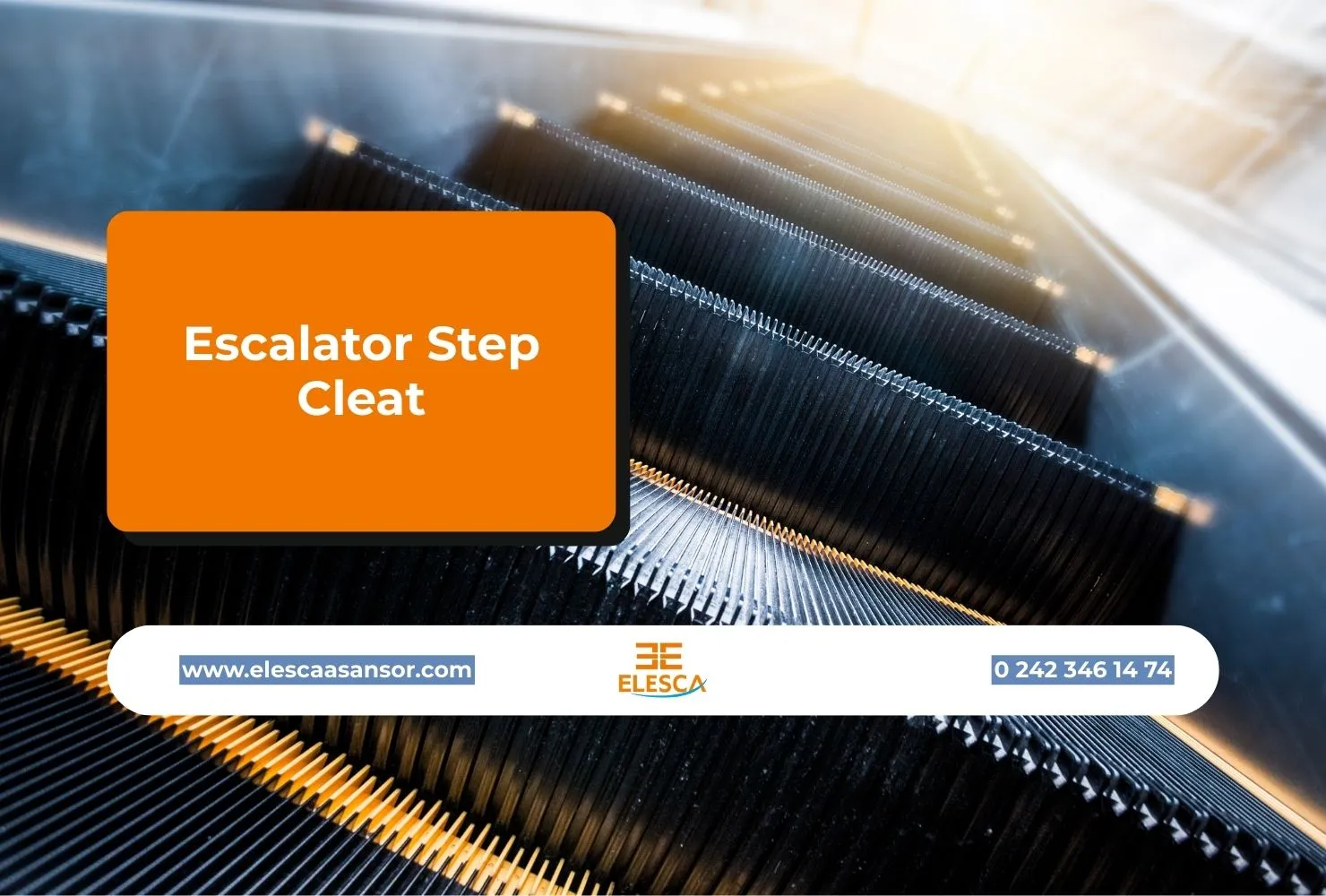
Escalator Step Cleat
Everything You Need to Know About Escalator Step Cleat
In the world of vertical transportation, every component plays a crucial role in ensuring safety, efficiency, and longevity. One such critical part is the Escalator Step Cleat. Often overlooked, this small yet vital component ensures passenger stability and contributes to the overall durability of an escalator system. At Elesca Elevator & Escalator Systems, we specialize in high-quality escalator spare parts, including Escalator Step Cleats, to help you maintain optimal performance and safety.
What is an Escalator Step Cleat?
An Escalator Step Cleat is a small, durable piece mounted on the step of an escalator. Its primary function is to provide additional traction for passengers, preventing slips and falls during transit. Typically made from high-strength rubber or reinforced plastic, Escalator Step Cleats are designed to endure heavy foot traffic and extreme wear conditions.
These cleats are usually installed in a series along each step and are a critical part of the escalator’s safety system. Without them, passengers would face increased risk of accidents, especially in wet or high-traffic environments like shopping malls, airports, and transit stations.
Importance of Escalator Step Cleat in Safety
Safety is the cornerstone of any escalator operation. The Escalator Step Cleat ensures that each step maintains enough friction to prevent slipping. It is particularly important for children, the elderly, and people carrying heavy loads, as these groups are more susceptible to falls.
By properly maintaining and replacing worn Escalator Step Cleats, operators can drastically reduce the risk of accidents. Furthermore, many safety regulations for escalators worldwide require cleats to be in excellent condition, highlighting their importance in public safety compliance.
Materials Used in Escalator Step Cleats
Quality and durability are key when choosing Escalator Step Cleats. Elesca Elevator & Escalator Systems provides cleats made from top-grade materials that are resistant to wear and tear. Common materials include:
- Rubber: Provides excellent grip and flexibility. Rubber cleats are ideal for indoor escalators with moderate foot traffic.
- Polyurethane: Known for its durability, polyurethane cleats can withstand heavy usage and harsh conditions.
- Reinforced Plastic: Lightweight yet strong, offering a balance of durability and cost-effectiveness.
Each material is selected to meet specific escalator performance requirements, ensuring long-lasting and reliable safety performance.
Signs You Need to Replace Your Escalator Step Cleat
Over time, even the highest-quality Escalator Step Cleats will wear down. Identifying when to replace them is critical for maintaining safety. Common signs include:
- Worn Surface: If the cleat’s texture is smooth or worn down, it may not provide adequate traction.
- Cracks or Breakage: Physical damage compromises the cleat’s integrity and can lead to step hazards.
- Loose Installation: Cleats that shift or come off easily during use indicate the need for replacement.
- Discoloration or Deformation: Changes in color or shape can signal material degradation.
Regular inspection is essential. At Elesca Elevator & Escalator Systems, we provide high-quality replacements to ensure your escalators remain safe and compliant.
How to Install an Escalator Step Cleat
Installing Escalator Step Cleats requires precision and care. Improper installation can compromise safety and lead to increased wear. Here’s a step-by-step guide:
- Remove the Old Cleats: Carefully detach worn or damaged cleats from the escalator step.
- Clean the Step Surface: Ensure the step surface is free of debris, grease, or moisture.
- Align the New Cleat: Position the cleat correctly according to the manufacturer’s guidelines.
- Secure the Cleat: Use appropriate fasteners or adhesive as specified by the escalator manufacturer.
- Test for Stability: Ensure the cleat is firmly in place and can withstand heavy foot traffic.
Proper installation not only enhances safety but also extends the life of the cleats and the escalator steps themselves.
Maintenance Tips for Escalator Step Cleats
Routine maintenance is essential for optimal escalator performance. Follow these tips to extend the life of your Escalator Step Cleats:
- Regular Inspections: Check for wear, cracks, or looseness at least once a month.
- Cleaning: Remove dirt and debris that may reduce traction. Avoid harsh chemicals that could damage the cleat material.
- Timely Replacement: Replace worn or damaged cleats immediately to maintain safety standards.
- Professional Servicing: Periodic professional maintenance ensures all escalator components, including cleats, are in top condition.
At Elesca Elevator & Escalator Systems, we provide both high-quality cleats and expert advice on maintenance to keep your escalators operating safely.
Choosing the Right Escalator Step Cleat
Not all cleats are created equal. Selecting the right Escalator Step Cleat depends on several factors:
- Traffic Volume: High-traffic areas require more durable cleats.
- Environmental Conditions: Outdoor or humid locations may need cleats resistant to moisture or UV exposure.
- Step Material: The cleat must be compatible with the material of the escalator step.
- Compliance Standards: Ensure the cleat meets local and international safety regulations.
Elesca Elevator & Escalator Systems offers a wide range of cleats tailored to specific escalator models and operational requirements.
Benefits of High-Quality Escalator Step Cleats
Investing in premium Escalator Step Cleats brings multiple benefits:
- Enhanced Safety: Improved traction reduces the risk of slips and falls.
- Durability: High-quality materials last longer, reducing replacement frequency.
- Regulatory Compliance: Proper cleats help meet safety standards and inspections.
- Smooth Operation: Well-installed cleats contribute to overall escalator efficiency.
- Cost Savings: Durable cleats minimize maintenance costs and downtime.
By choosing Elesca’s cleats, operators can ensure reliable performance and a safer environment for passengers.
Common Issues with Escalator Step Cleats and How to Address Them
Even with high-quality materials, Escalator Step Cleats can encounter issues. Understanding these problems helps in timely intervention:
- Slipping Cleats: Often caused by improper installation or worn surfaces. Solution: replace and secure cleats correctly.
- Noise During Operation: Loose cleats can produce clicking or rattling sounds. Solution: tighten or replace damaged cleats.
- Material Degradation: Exposure to sunlight or chemicals can weaken cleats. Solution: use UV-resistant or chemical-resistant cleats for affected areas.
- Misalignment: Cleats not aligned with the step can cause uneven traction. Solution: realign cleats during installation.
Regular monitoring and preventive maintenance prevent minor issues from escalating into safety hazards.
Why Choose Elesca Elevator & Escalator Systems for Your Escalator Step Cleats
At Elesca Elevator & Escalator Systems, we specialize in providing high-quality escalator parts that meet international safety standards. Here’s why we are the preferred choice:
- Expertise: Decades of experience in the elevator and escalator industry.
- High-Quality Products: Durable Escalator Step Cleats designed for safety and longevity.
- Customized Solutions: Parts tailored to specific escalator brands and models.
- Professional Support: Guidance on installation, maintenance, and troubleshooting.
- Global Reach: Serving domestic and international markets with reliable logistics.
Our Antalya-based company is committed to helping clients maintain safe and efficient escalators through premium spare parts and expert support.
Integration with Other Escalator Components
The Escalator Step Cleat works in tandem with other critical escalator components, including:
- Steps: Cleats are mounted on steps to provide grip and stability.
- Step Chains: Ensure smooth movement of steps while cleats enhance traction.
- Handrails: Complement cleats to provide a complete safety system for passengers.
- Comb Plates: Work together with cleats to prevent entrapment at entry and exit points.
Understanding this integration is key to comprehensive escalator maintenance. Replacing a cleat in isolation may not be enough if related components are worn or damaged.
Future Trends in Escalator Step Cleat Design
As technology evolves, so does the design of Escalator Step Cleats:
- Advanced Materials: New polymers and composites offer superior durability and traction.
- Smart Monitoring: Sensors integrated into cleats to detect wear and send maintenance alerts.
- Eco-Friendly Solutions: Sustainable materials reduce environmental impact without compromising performance.
- Customized Patterns: Cleat designs optimized for specific traffic conditions and step types.
At Elesca Elevator & Escalator Systems, we stay ahead of industry trends to provide the latest innovations in escalator safety components.
The Escalator Step Cleat is more than just a small piece of an escalator—it is a vital component that ensures passenger safety, reduces accidents, and contributes to the longevity of the escalator system. Proper selection, installation, and maintenance of cleats are essential for every escalator operator.
With Elesca Elevator & Escalator Systems, you gain access to high-quality Escalator Step Cleats, expert installation guidance, and professional support to maintain your escalators in peak condition. Protect your passengers, enhance safety, and extend the life of your escalator system by investing in premium cleats today.
Contact us at +90 242 346 14 74 to discuss your Escalator Step Cleat needs and discover the Elesca difference in quality and service.


