
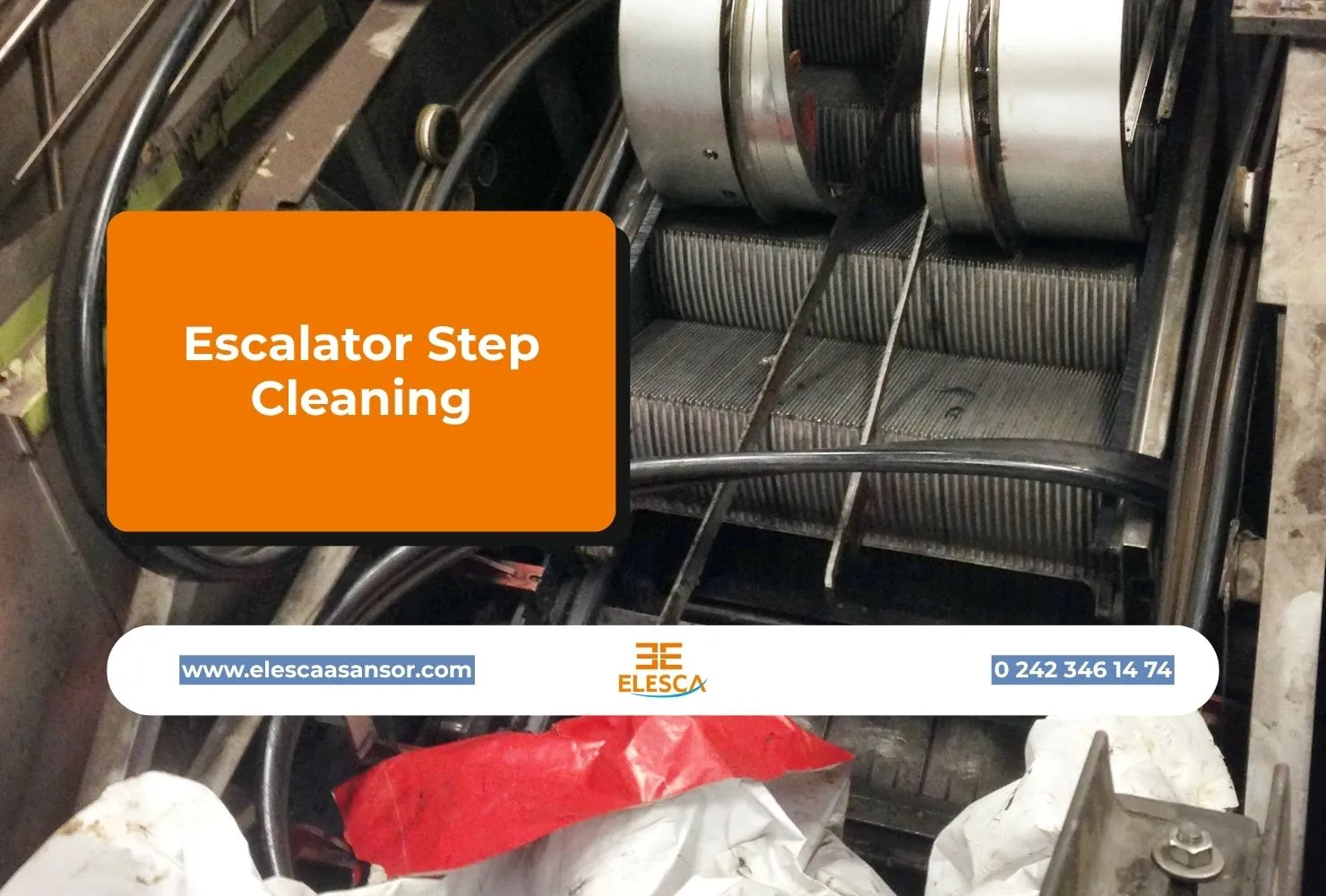
Escalator Step Cleaning
Escalator Step Cleaning A Complete Guide for Safer and Better-Performing Escalators
Escalator step cleaning is an essential part of escalator maintenance in shopping malls, airports, hotels, hospitals, metro stations, office buildings, and public facilities. Escalator steps collect dust, mud, oil, debris, chewing gum, textile fibers, moisture, and outdoor dirt every day. If these contaminants are not removed regularly, they can affect passenger safety, step appearance, mechanical performance, and the lifespan of important escalator components. For facility managers, maintenance companies, building owners, and technical teams, escalator step cleaning is not only about visual hygiene. It is also about preventing dirt buildup around the step grooves, comb plate area, step rollers, step chain, skirting, and other moving parts. Clean escalator steps support smoother operation, reduce unnecessary friction, and help technicians detect wear, cracks, deformation, or foreign objects more easily. Elesca Elevator & Escalator Systems, based in Antalya, supplies high-quality elevator, moving walk, and escalator spare parts to domestic and international markets. With products such as Escalator Handrail, Pulley, Step Roller, Step Chain, Comb Plate, Escalator Control Panel, Step, C Return Chain, Handrail Inlet Cover, and Step Skirting, Elesca supports reliable escalator operation with durable replacement parts and expert solution partners.
What Is Escalator Step Cleaning?
Escalator step cleaning is the process of removing dirt, dust, stains, grease, debris, and foreign materials from escalator steps, especially from the grooved tread surface. Escalator steps are usually made from aluminum or other durable metal materials, and their grooved design helps improve passenger grip. However, these grooves also trap dirt easily. A proper cleaning process includes surface cleaning, groove cleaning, comb area inspection, debris removal, and drying. In many facilities, cleaning is performed manually with brushes and suitable cleaning chemicals. In high-traffic locations, special escalator cleaning machines may also be used. The goal of escalator step cleaning is to keep each step clean, safe, and visually professional while protecting the escalator system from dirt-related problems.
Why Is Escalator Step Cleaning Important?
Regular escalator step cleaning provides several operational and safety benefits. Escalators work continuously in many commercial and public areas. Because passengers step on the same moving surfaces throughout the day, the steps quickly become exposed to dust, water, oil, food particles, sand, and other contaminants.
1. Improves Passenger Safety
Dirty or greasy escalator steps can increase the risk of slipping. When dust, oil, or moisture collects on the tread surface, passengers may lose balance, especially in busy areas. Clean steps provide better grip and improve the overall safety of the escalator. The comb plate area is also critical. If debris enters the gap between the step and comb plate, it may cause obstruction or damage. Regular escalator step cleaning helps reduce these risks.
2. Protects Escalator Components
Dirt does not stay only on the visible step surface. It can move into the lower mechanism and affect the Step Roller, Step Chain, Pulley, C Return Chain, and other components. Over time, abrasive dirt can contribute to wear and reduce the performance of moving parts. By keeping the steps clean, maintenance teams reduce the amount of dirt that enters the internal system.
3. Supports a Professional Appearance
Escalators are often located at main entrances, shopping floors, hotel lobbies, transport stations, and commercial centers. Dirty escalator steps create a poor first impression. Clean steps show that the building is well-maintained and professionally managed.
4. Makes Maintenance Inspections Easier
When escalator steps are covered with dirt, technicians may miss cracks, damaged grooves, loose components, or abnormal wear. Proper escalator step cleaning makes it easier to inspect the step surface, step edges, comb plate contact areas, and skirting alignment.
5. Helps Extend Service Life
Although cleaning alone does not replace technical maintenance, it supports longer equipment life. Dirt, sand, and debris can act like abrasive material. When removed regularly, these contaminants are less likely to damage escalator parts.
How Often Should Escalator Steps Be Cleaned?
The frequency of escalator step cleaning depends on traffic level, location, environmental conditions, and usage intensity.
Recommended Cleaning Frequency
For high-traffic locations such as airports, metro stations, shopping malls, and hospitals, escalator steps may need daily surface cleaning and scheduled deep cleaning. For medium-traffic commercial buildings, weekly or biweekly cleaning may be sufficient. For low-traffic private facilities, monthly deep cleaning can be suitable. A general cleaning schedule may include: Daily visual inspection and debris removal Weekly surface cleaning of visible step areas Monthly detailed groove cleaning Periodic deep cleaning with professional equipment Immediate cleaning after spills, oil contamination, or construction dust exposure The best approach is to create a maintenance plan that combines cleaning, inspection, and replacement part evaluation.
How to Clean Escalator Steps Properly
A correct escalator step cleaning process should be systematic and safe. Escalators are moving mechanical systems, so cleaning should only be done by trained staff or under the supervision of authorized maintenance personnel.
Step 1: Stop and Secure the Escalator
Before cleaning, the escalator should be stopped safely. Warning signs should be placed around the area to prevent passengers from entering. The cleaning team should follow all safety procedures required by the facility and maintenance provider. Never attempt deep escalator step cleaning while the escalator is operating unless a specialized cleaning machine is designed for that purpose and used by trained personnel.
Step 2: Remove Loose Debris
Loose dirt, paper, stones, food pieces, sand, and other foreign materials should be removed first. This prevents debris from being pushed deeper into the grooves or comb plate area during cleaning. A vacuum cleaner, soft brush, or suitable debris removal tool can be used.
Step 3: Clean the Step Grooves
The grooves are the most important part of escalator step cleaning. Dirt often becomes compacted inside the grooves, especially in outdoor entrances and transport facilities. A stiff but non-damaging brush can help remove dirt from the channels. The brush should follow the direction of the grooves. Harsh tools that scratch or damage the step surface should be avoided.
Step 4: Use Suitable Cleaning Products
Cleaning chemicals should be compatible with the step material, usually aluminum or metal alloy. Strong acidic or corrosive chemicals may damage the surface or leave residue. A mild industrial cleaner or manufacturer-approved product is usually safer. After applying the cleaner, the surface should be brushed and wiped carefully.
Step 5: Clean the Comb Plate Area
The Comb Plate is located where the steps enter and exit the escalator landing. It is one of the most important safety components in the system. During escalator step cleaning, the comb plate area should be checked for trapped dirt, broken comb teeth, foreign objects, and alignment issues. If the comb plate is damaged, it should be replaced immediately with a compatible spare part.
Step 6: Dry the Steps Completely
Moisture left on the steps can create slip risk and may contribute to corrosion or residue buildup. After cleaning, steps should be dried completely before the escalator is returned to service.
Step 7: Perform a Final Inspection
Before restarting the escalator, the cleaning team or technician should inspect the step surface, comb plate, step edges, skirting area, and surrounding landing zones. If any abnormal sound, vibration, visible damage, or worn component is detected, technical service should be contacted.
Best Tools for Escalator Step Cleaning
The right tools make escalator step cleaning faster, safer, and more effective. The required tools may vary depending on whether the cleaning is manual or machine-assisted.
Manual Cleaning Tools
Common manual tools include groove brushes, vacuum cleaners, microfiber cloths, scraper tools for gum removal, mild cleaning solution, and protective gloves. Manual cleaning is suitable for smaller facilities or periodic spot cleaning.
Escalator Step Cleaning Machine
An escalator step cleaning machine is designed to clean step grooves more efficiently. These machines often use rotating brushes and vacuum systems to remove dirt from the tread surface. They are especially useful in high-traffic areas where manual cleaning may take too long. Search interest also exists for terms like “escalator step cleaning machine,” “escalator step cleaning brush,” and “how to clean escalator steps,” which shows that facility teams are actively looking for practical cleaning solutions.
Inspection Tools
Flashlights, inspection mirrors, and measurement tools may be used by maintenance teams to check the step, comb plate, skirting, and roller condition after cleaning.
Common Mistakes in Escalator Step Cleaning
Incorrect escalator step cleaning can create safety risks or damage components. Avoiding common mistakes is important for every facility.
Using Too Much Water
Escalators contain electrical and mechanical components. Excessive water can enter unwanted areas and create damage or safety concerns. Cleaning should be controlled, and moisture should be removed immediately.
Using Corrosive Chemicals
Strong chemicals can damage aluminum steps, rubber parts, handrails, and nearby surfaces. Always use suitable products.
Ignoring the Comb Plate
Many cleaning teams focus only on the visible step surface. However, the comb plate area is one of the most important zones. Dirt, small stones, or broken parts in this area may cause operational issues.
Cleaning While the Escalator Is Open to Passengers
Passenger access must be blocked during cleaning. Warning signs, barriers, and safety procedures are necessary.
Not Reporting Damaged Parts
Cleaning staff may notice broken steps, worn grooves, damaged comb teeth, noisy rollers, or loose skirting. These issues should be reported to technical teams immediately.
Escalator Step Cleaning and Spare Part Maintenance
Escalator step cleaning works best when combined with spare part inspection. Clean steps allow technicians to see whether components are worn, damaged, or misaligned. Elesca Elevator & Escalator Systems supplies key escalator spare parts for maintenance, repair, and replacement projects. These parts help facilities maintain safe and reliable escalator operation.
Step
The escalator Step carries passengers and must remain structurally strong, clean, and properly aligned. If a step is cracked, bent, worn, or damaged, cleaning will not solve the problem. Replacement may be required.
Step Roller
The Step Roller supports smooth step movement. Dirt and debris can affect roller performance over time. During maintenance, rollers should be checked for noise, wear, and movement issues.
Step Chain
The Step Chain moves the steps through the escalator system. A clean environment helps reduce contamination around chain areas, but chain condition must also be inspected technically.
Comb Plate
The Comb Plate is closely connected to escalator step cleaning because it interacts with the step grooves at the landing. Broken or worn comb teeth can create safety concerns and should be replaced quickly.
Step Skirting
Step Skirting is located along the side of the escalator steps. Dirt buildup near the skirting may affect appearance and safety. Proper cleaning helps maintain a neat side profile.
Escalator Handrail
While the focus is escalator step cleaning, the handrail should also be cleaned regularly. Passengers touch the handrail continuously, so hygiene and surface condition are important.
Handrail Inlet Cover
The Handrail Inlet Cover protects the handrail entry point. Dirt, foreign objects, or damage around this area should be checked during cleaning and maintenance.
Pulley and C Return Chain
Pulley and C Return Chain components support movement within the escalator system. Although they are not cleaned in the same way as steps, reducing general dirt and debris helps support cleaner operation.
Escalator Control Panel
The Escalator Control Panel should be protected from moisture and unauthorized access during cleaning. Cleaning teams must avoid spraying liquids near electrical systems.
Escalator Step Cleaning for Different Locations
Different environments require different cleaning strategies.
Shopping Malls
Shopping malls experience heavy foot traffic, food spills, dust, and seasonal dirt. Escalator step cleaning should be frequent, especially near entrances and food courts.
Airports
Airports require high cleaning standards because passengers carry luggage, dirt, and outdoor debris. Escalators often operate for long hours, so scheduled cleaning and inspection are critical.
Metro and Train Stations
Public transport escalators face intense use, dust, rainwater, mud, and outdoor particles. Deep groove cleaning is especially important in these locations.
Hotels and Business Centers
In hotels and office buildings, appearance is very important. Clean escalator steps contribute to a premium and professional environment.
Hospitals
Hospitals require strict hygiene standards. Cleaning should be regular, controlled, and compatible with facility safety procedures.
Safety Checklist for Escalator Step Cleaning
Before and after escalator step cleaning, teams can follow this practical checklist: Is the escalator stopped and secured? Are warning signs and barriers placed correctly? Has loose debris been removed? Are the step grooves cleaned properly? Is the comb plate area free from objects? Are the steps dry before restarting? Are there any damaged steps or comb teeth? Is there unusual noise after restart? Has the cleaning process been recorded? Have maintenance issues been reported? This type of checklist helps facilities maintain consistency and reduce risk.
When Should Escalator Parts Be Replaced?
Cleaning improves appearance and hygiene, but it cannot repair damaged parts. Escalator spare parts should be replaced when they show signs of wear, cracking, deformation, abnormal noise, poor movement, or safety risk. For example, if a step has broken grooves, if a comb plate has missing teeth, or if a step roller produces noise or vibration, replacement should be considered. Using compatible, high-quality spare parts is essential for long-term performance. Elesca Elevator & Escalator Systems supplies escalator parts for domestic and international markets, working with leading industry brands and expert solution partners to deliver reliable products and services.
Professional Support for Escalator Step Cleaning and Maintenance
A professional approach to escalator step cleaning includes cleaning, inspection, reporting, and replacement planning. Facility managers should not treat cleaning as a separate task from maintenance. Instead, it should be part of a complete escalator care program. Elesca Elevator & Escalator Systems supports businesses with high-quality escalator and elevator spare parts, including Escalator Handrail, Pulley, Step Roller, Step Chain, Comb Plate, Escalator Control Panel, Step, C Return Chain, Handrail Inlet Cover, and Step Skirting. For product information and spare part support, you can contact Elesca Elevator & Escalator Systems at +90 242 346 14 74.
Frequently Asked Questions About Escalator Step Cleaning
How are escalator steps cleaned?
Escalator steps are cleaned by stopping and securing the escalator, removing loose debris, brushing the grooves, applying suitable cleaning products, cleaning the comb plate area, drying the steps, and inspecting the system before restarting. Professional escalator step cleaning may also use special cleaning machines.
How often should escalator step cleaning be done?
The cleaning frequency depends on traffic level. High-traffic escalators may need daily cleaning and periodic deep cleaning. Medium-traffic locations may require weekly cleaning, while low-traffic facilities may schedule monthly detailed cleaning.
Can escalator steps be cleaned by hand?
Yes, escalator step cleaning can be done by hand using proper brushes, vacuum equipment, microfiber cloths, and suitable cleaning solutions. However, the escalator must be stopped and secured before manual cleaning.
What is the best tool for escalator step cleaning?
For manual cleaning, groove brushes and vacuum tools are useful. For high-traffic facilities, an escalator step cleaning machine can clean grooves more efficiently. The best tool depends on the escalator type, location, and dirt level.
Why is the comb plate important during escalator cleaning?
The comb plate is where the moving steps enter and exit the landing area. Dirt or foreign objects in this area can create safety and operational problems. During escalator step cleaning, the comb plate should always be inspected.
Can dirty escalator steps damage the system?
Yes. Dirt, sand, stones, and debris can move into mechanical areas and contribute to wear on parts such as Step Rollers, Step Chain, and other moving components. Regular cleaning helps reduce contamination.
Should escalator handrails be cleaned at the same time?
Yes. Although escalator step cleaning focuses on the step surface, the handrail should also be cleaned regularly because passengers touch it continuously.
What should be done if a damaged step is found during cleaning?
If a damaged step is found, the escalator should be inspected by authorized technical staff. The damaged Step may need replacement to maintain safe operation.
Escalator step cleaning is an important part of escalator safety, hygiene, appearance, and long-term performance. Clean steps reduce slip risks, protect mechanical components, support easier inspections, and improve the overall image of a facility. Whether the escalator is located in a shopping mall, airport, hotel, hospital, office building, or metro station, a regular cleaning and maintenance plan is essential. By combining proper cleaning methods with high-quality spare parts, facilities can keep escalators operating safely and efficiently. Elesca Elevator & Escalator Systems, based in Antalya, provides elevator, moving walk, and escalator spare parts for domestic and international markets. With products such as Escalator Handrail, Pulley, Step Roller, Step Chain, Comb Plate, Escalator Control Panel, Step, C Return Chain, Handrail Inlet Cover, and Step Skirting, Elesca helps customers maintain reliable escalator systems with professional product support. For escalator spare parts and technical product support, contact Elesca Elevator & Escalator Systems at +90 242 346 14 74.


