
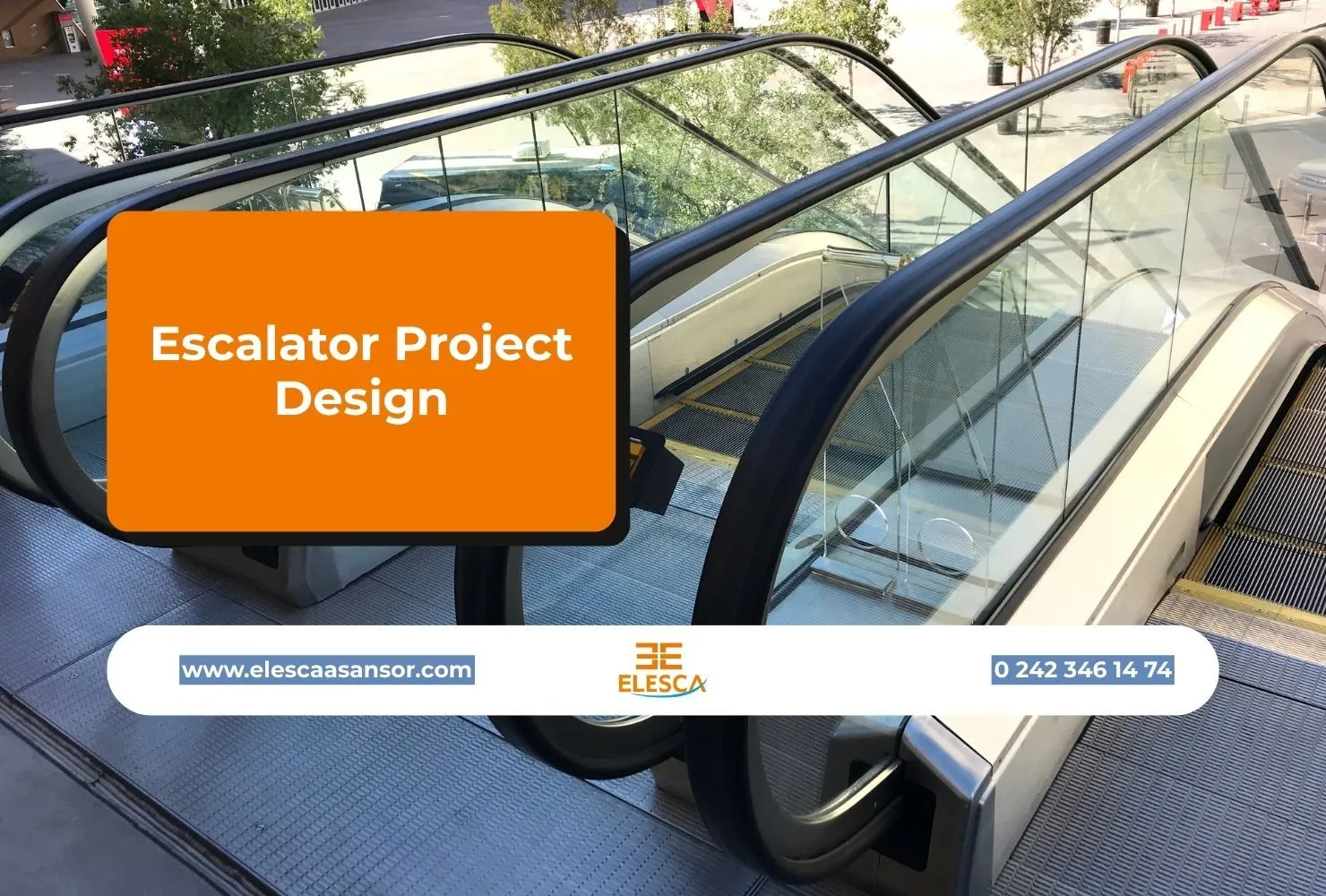
Escalator Project Design
Escalator Project Design
Modern buildings demand seamless vertical transportation solutions that combine safety, efficiency, and architectural harmony. Escalator Project Design plays a critical role in ensuring that commercial centers, airports, hotels, hospitals, and public facilities operate smoothly while delivering a safe passenger experience.
At Elesca Elevator & Escalator Systems, we specialize in providing premium escalator spare parts including Escalator Handrails, Pulleys, Step Rollers, Step Chains, Comb Plates, Escalator Control Panels, C Return Chains, Handrail Inlet Covers, and Step Skirting. Based in Antalya, we serve both domestic and international markets with high-quality components that support professional escalator design and installation projects.
What Is Escalator Project Design?
Escalator Project Design refers to the comprehensive planning, engineering, and integration process required to install a safe, durable, and efficient escalator system within a building. It involves:
- Traffic flow analysis
- Structural planning
- Mechanical component selection
- Safety compliance checks
- Energy efficiency planning
- Aesthetic integration
A well-designed escalator project ensures smooth operation, minimal downtime, and long-term cost efficiency.
Why Is Escalator Project Design Important?
A properly engineered escalator system offers several advantages:
- Safety Assurance
Correct component selection and alignment reduce risks such as step misalignment, chain failure, or comb plate impact incidents.
- Long-Term Durability
High-quality parts like Step Chains, Step Rollers, and C Return Chains significantly extend the lifecycle of the system.
- Energy Efficiency
Optimized motor power, control systems, and friction-reducing components decrease energy consumption.
- Reduced Maintenance Costs
A well-planned design minimizes unexpected breakdowns and simplifies routine inspections.
Core Components in Escalator Project Design
Selecting the right components is fundamental. Below are the most critical parts used in a professional escalator system.
Escalator Handrail
The Escalator Handrail ensures passenger stability and safety. It must:
- Move at synchronized speed with steps
- Be durable against wear and UV exposure
- Provide smooth, slip-resistant grip
High-quality handrails reduce maintenance frequency and improve user comfort.
Pulley System
Pulleys play a central role in handrail movement and drive systems. In Escalator Project Design, engineers must consider:
- Load-bearing capacity
- Material durability
- Noise reduction features
Precision-manufactured pulleys prevent uneven tension and premature wear.
Step Roller
Step Rollers guide escalator steps along tracks. Their importance includes:
- Smooth step movement
- Reduced vibration
- Lower friction
Inferior rollers can cause noise, instability, and mechanical stress. Choosing high-grade step rollers ensures consistent operation.
Step Chain
The Step Chain is one of the most critical structural components. It connects and moves the steps continuously. In Escalator Project Design, engineers analyze:
- Tensile strength
- Corrosion resistance
- Fatigue performance
A reliable step chain enhances safety and operational continuity.
Comb Plate
The Comb Plate is located at the landing area where steps enter and exit. It serves as:
- A safety barrier
- A debris prevention system
- A step alignment component
Proper comb plate design reduces entrapment risks and ensures compliance with safety standards.
Escalator Control Panel
The Escalator Control Panel is the system's operational brain. It controls:
- Speed regulation
- Emergency stop functions
- Fault detection
- Energy-saving modes
Modern control panels integrate smart monitoring systems for predictive maintenance.
C Return Chain
The C Return Chain supports step return mechanisms. In large-scale Escalator Project Design, high-strength return chains prevent structural stress and ensure balanced movement.
Handrail Inlet Cover
This component protects the handrail entry point and enhances safety. It also contributes to the escalator’s aesthetic integration within architectural spaces.
Step Skirting
Step Skirting prevents foreign objects from getting trapped between steps and side panels. It improves passenger safety and minimizes operational hazards.
Step-by-Step Process of Escalator Project Design
- Traffic Flow Analysis
Understanding passenger volume is essential. High-traffic areas such as shopping malls require heavy-duty systems with reinforced step chains and rollers.
- Site Assessment
Architectural measurements, floor heights, and load-bearing capacity are evaluated before selecting escalator dimensions.
- Mechanical System Planning
Engineers determine:
- Drive motor power
- Pulley configuration
- Step chain type
- Roller specifications
- Safety Compliance Review
Designs must comply with international safety standards to prevent accidents and ensure certification.
- Component Integration
High-quality spare parts are selected to guarantee performance consistency.
- Installation & Testing
After installation, load testing and safety checks confirm system reliability.
Safety Considerations in Escalator Project Design
Safety is the foundation of every escalator project. Key elements include:
- Emergency stop buttons
- Skirt deflectors
- Comb impact switches
- Handrail speed monitoring
- Chain tension monitoring
Regular inspections and quality components reduce accident risks significantly.
Energy Efficiency in Modern Escalator Project Design
Energy-saving technologies are increasingly integrated into escalator systems:
- Variable frequency drives
- Auto-start/stop functions
- LED lighting systems
- Regenerative drive systems
Selecting high-efficiency rollers and chains further reduces mechanical resistance and energy consumption.
Common Challenges in Escalator Project Design
Misalignment Issues
Improper structural measurements can cause vibration and noise.
Low-Quality Components
Cheap step chains or rollers may fail under heavy load.
Poor Integration with Architecture
Escalators must complement the building design while maintaining accessibility.
Inadequate Maintenance Planning
Design must allow easy access for servicing.
How Quality Spare Parts Improve Escalator Project Design
Using durable components ensures:
- Reduced downtime
- Lower operational costs
- Higher safety standards
- Extended equipment lifespan
At Elesca Elevator & Escalator Systems, we supply premium escalator spare parts designed to support large-scale and custom Escalator Project Design applications worldwide.
Applications of Escalator Project Design
Escalator systems are widely used in:
- Shopping malls
- Airports
- Metro stations
- Hospitals
- Hotels
- Exhibition centers
- Commercial office buildings
Each environment requires a customized project design approach.
Choosing the Right Partner for Escalator Project Design
Selecting a reliable spare parts supplier is critical. Consider:
- Product quality certifications
- International supply capability
- Technical expertise
- After-sales support
Elesca Elevator & Escalator Systems collaborates with leading industry brands and expert solution partners to deliver dependable escalator components globally.
Why Choose Elesca Elevator & Escalator Systems?
Based in Antalya, our company provides:
- High-quality escalator spare parts
- Competitive international supply
- Technical expertise and consultation
- Fast and reliable customer service
We support professional Escalator Project Design projects by ensuring every component meets strict performance standards.
Frequently Asked Questions About Escalator Project Design
What is the lifespan of an escalator system?
With proper design and maintenance, escalators can operate efficiently for 20–30 years.
How often should escalator components be replaced?
Inspection intervals depend on traffic load, but step chains, rollers, and comb plates should be regularly evaluated.
Why are high-quality step chains important?
They bear continuous load stress. Premium chains prevent sudden failure and ensure passenger safety.
Can escalator systems be customized?
Yes. Every Escalator Project Design can be tailored according to building architecture and passenger flow requirements.
The Future of Escalator Project Design
Emerging technologies are shaping next-generation escalator systems:
- Smart monitoring systems
- IoT-based diagnostics
- Energy-efficient drive systems
- Noise-reduction engineering
As buildings become smarter, escalator systems must integrate seamlessly into digital infrastructure.
Contact Elesca Elevator & Escalator Systems
If you are planning a new Escalator Project Design or upgrading an existing system, choosing the right spare parts supplier is essential.
Elesca Elevator & Escalator Systems
Antalya, Türkiye
Phone: +90 242 346 14 74
We are committed to delivering high-quality escalator spare parts that ensure safety, durability, and efficiency for projects worldwide.
A successful Escalator Project Design requires precise engineering, reliable components, and experienced partners. From step chains and rollers to control panels and comb plates, every element plays a vital role in system performance and passenger safety.
By integrating advanced technologies and premium spare parts, escalator systems can achieve long-lasting efficiency and compliance with global safety standards.
Partner with Elesca Elevator & Escalator Systems to ensure your next escalator project meets the highest standards of quality, reliability, and performance.


