
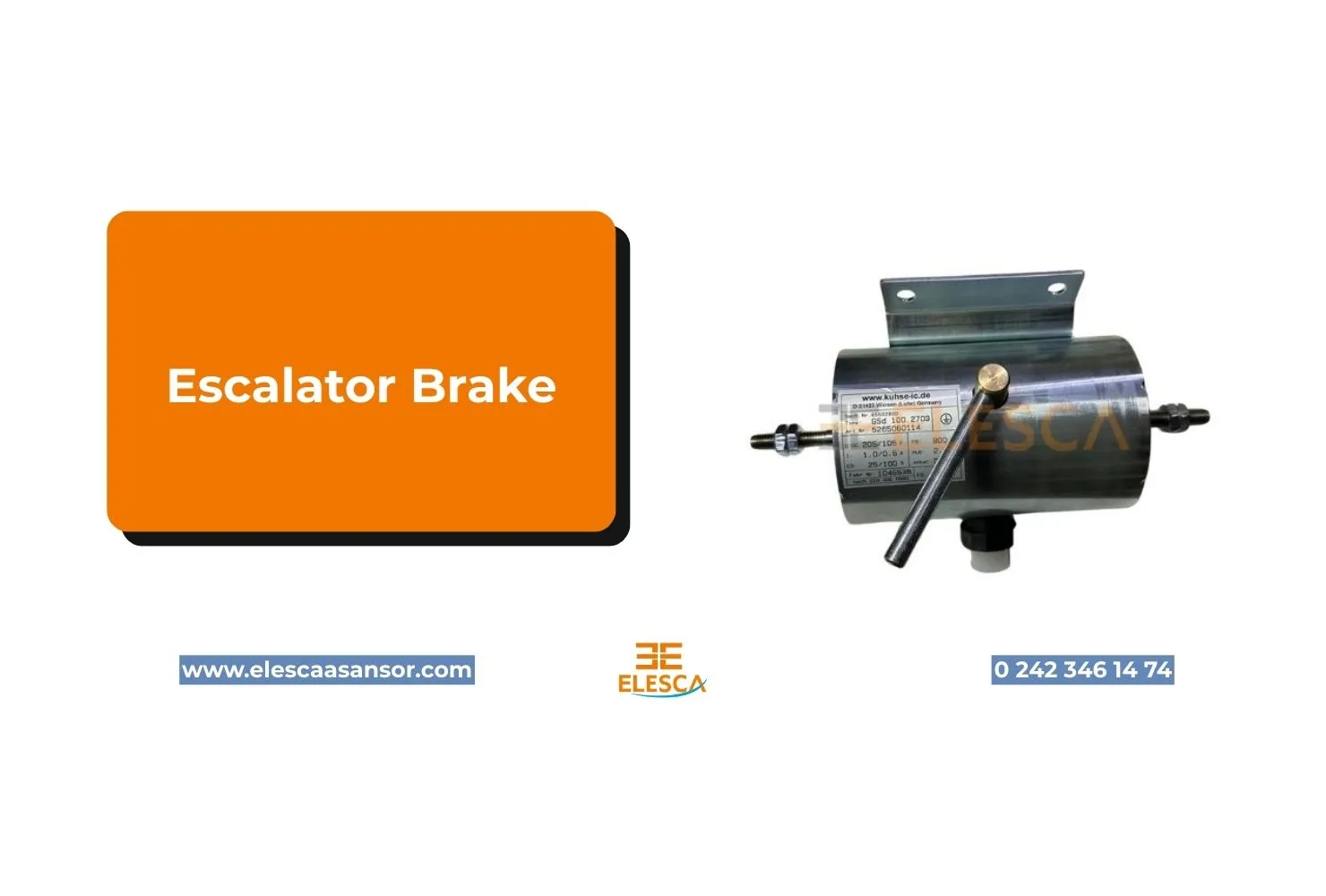
Escalator Brake
Comprehensive Guide to the Escalator Brake Ensuring Safety and Efficiency
The modern world relies heavily on escalators in malls, airports, train stations, and commercial buildings. While they are an essential part of urban infrastructure, their safety and efficiency hinge on key components, and one of the most critical among them is the escalator brake. Proper understanding, maintenance, and timely replacement of the escalator brake can prevent accidents, reduce downtime, and extend the lifespan of your escalator system.
At Elesca Elevator & Escalator Systems, we specialize in high-quality escalator components, including the escalator brake, handrails, pulleys, step chains, comb plates, and control panels. Based in Antalya, we provide both domestic and international clients with premium products designed to ensure safety and operational efficiency. For inquiries, you can reach us at +90 242 346 14 74.
What is an Escalator Brake?
An escalator brake is a mechanical or electromechanical device designed to control the motion of an escalator, especially in emergency or abnormal conditions. Its primary role is to stop or slow the escalator to prevent accidents or equipment damage.
There are generally two types of escalator brakes:
- Service Brake – Activated during regular stopping sequences or when the escalator is slowing down under normal conditions.
- Emergency Brake – Activated when sensors detect a malfunction, overload, or obstruction. It stops the escalator immediately to prevent accidents.
These brakes are typically installed on the main drive shaft of the escalator and are integrated with the escalator control panel to monitor performance and ensure safety.
Importance of the Escalator Brake
The escalator brake is one of the most critical safety components. Its significance can be summarized in the following points:
- Passenger Safety: The primary function of the escalator brake is to prevent uncontrolled motion, especially during emergencies. A malfunctioning brake can lead to serious injuries.
- Equipment Protection: Abrupt or uncontrolled escalator movements can damage steps, step chains, and pulleys. The escalator brake helps reduce mechanical wear and tear.
- Compliance with Regulations: Most countries require escalators to meet strict safety standards, including properly functioning brakes. Ensuring your escalator brake meets these standards avoids legal complications.
- Operational Efficiency: A well-maintained escalator brake reduces unscheduled downtime, ensuring smooth daily operations.
How the Escalator Brake Works
The operation of an escalator brake is closely tied to the escalator’s drive system. When the escalator is operating normally, the brake remains disengaged, allowing the step chain and step rollers to move smoothly. However, when an emergency stop is required, the escalator brake engages and applies pressure to the brake drum or disc.
Key components involved in the braking system include:
- Brake Drum or Disc: Receives the friction from the brake shoe or pad to stop movement.
- Brake Shoes or Pads: Apply the stopping force.
- Actuator Mechanism: Activates the brake when required, often controlled electrically or hydraulically.
- Sensors and Control System: Detect abnormal conditions and signal the brake to engage via the escalator control panel.
By coordinating these components, the escalator brake ensures a controlled and safe stop.
Signs Your Escalator Brake Needs Maintenance
Regular inspection and maintenance are critical for safety. Common signs indicating that an escalator brake may require attention include:
- Unusual Noise: Grinding, squealing, or clunking sounds during operation may indicate worn brake pads or misalignment.
- Delayed Stopping: If the escalator does not stop immediately when emergency buttons are pressed, the escalator brake may be malfunctioning.
- Overheating: Excessive heat around the brake assembly may indicate friction issues or worn components.
- Frequent Tripping: If the brake engages unexpectedly or frequently, it could be due to electrical or mechanical faults.
At Elesca Elevator & Escalator Systems, our team can inspect, maintain, and replace escalator brakes to restore peak performance.
Regular Maintenance Tips for Escalator Brakes
Maintenance is key to extending the life of the escalator brake and ensuring passenger safety. Here are essential maintenance practices:
- Monthly Inspection: Check for wear on brake pads, drums, and discs. Ensure all bolts and connectors are tight.
- Lubrication: Proper lubrication of moving components prevents excessive friction and wear.
- Electrical Check: Inspect the actuator system, sensors, and wiring to ensure reliable brake activation.
- Load Testing: Simulate operational stress to verify the brake engages properly under normal and emergency conditions.
- Cleanliness: Keep the brake assembly free of dust, grease, and debris, which can interfere with performance.
Upgrading Your Escalator Brake System
Older escalators may benefit from upgrading to modern escalator brakes for enhanced safety and efficiency. Modern systems offer:
- Electromechanical Brakes: These provide faster response times and more precise control.
- Integrated Sensor Systems: Sensors detect step misalignment or overload conditions and activate the brake automatically.
- Reduced Maintenance: Advanced materials reduce wear and extend service intervals.
Upgrading your escalator brake also improves compatibility with newer escalator control panels, ensuring seamless system integration.
Common Problems with Escalator Brakes and How to Address Them
Even with routine maintenance, issues can occur. Common escalator brake problems include:
- Brake Pad Wear: Replacing worn pads is critical to maintain stopping efficiency.
- Misalignment: Misaligned brake components can reduce braking effectiveness and cause uneven wear.
- Electrical Failures: Faulty wiring or sensors can prevent proper brake activation.
- Mechanical Obstructions: Debris or foreign objects in the brake assembly can hinder operation.
Prompt detection and professional servicing are essential. Elesca Elevator & Escalator Systems offers expert brake inspection and repair services, ensuring your escalators operate safely and reliably.
Safety Guidelines for Escalator Brake Users
While the escalator brake ensures system safety, operators and maintenance personnel should also follow these guidelines:
- Never bypass the brake system during repairs or testing.
- Ensure all emergency stop buttons are functional and accessible.
- Perform regular training for maintenance staff on brake inspection procedures.
- Keep the escalator area clear of debris to prevent obstruction-related incidents.
Adhering to these guidelines ensures that the escalator brake functions as intended, protecting both passengers and equipment.
Integrating Escalator Brake Maintenance with Other Components
A well-functioning escalator brake depends on the condition of other escalator parts. For instance:
- Step Chains and Step Rollers: Smooth movement reduces strain on the brake system.
- Pulleys and Comb Plates: Proper alignment prevents abnormal stress during stops.
- Handrails and Handrail Inlet Covers: Ensures passengers can safely exit during emergency stops.
- Escalator Control Panel: Coordinates braking and system monitoring for optimal performance.
Regularly inspecting all components in conjunction with the escalator brake ensures holistic escalator safety and efficiency.
Choosing the Right Escalator Brake Supplier
Selecting a reliable supplier for escalator brakes is critical. Factors to consider include:
- Quality Certification: Ensure the brake meets international safety standards.
- Compatibility: The brake should match your escalator model and control system.
- Technical Support: Professional guidance for installation, maintenance, and troubleshooting.
- Global Availability: Ability to supply parts for domestic and international markets.
At Elesca Elevator & Escalator Systems, we provide high-quality escalator brakes along with a comprehensive range of components, including pulleys, step chains, comb plates, and control panels. Our team offers expert advice, reliable installation, and maintenance support to ensure your escalator operates safely and efficiently.
Why Choose Elesca Elevator & Escalator Systems
Choosing Elesca Elevator & Escalator Systems for your escalator brake needs ensures:
- Expertise: Decades of experience in escalator components and safety systems.
- High-Quality Products: All products meet rigorous domestic and international standards.
- Comprehensive Service: From inspection and installation to maintenance and emergency repair.
- Global Reach: Serving clients across Turkey and abroad with fast, reliable supply.
Contact us at +90 242 346 14 74 to learn more about our escalator brakes and other escalator spare parts.
The escalator brake is more than a simple component—it is a crucial safety mechanism that protects passengers, preserves equipment, and ensures compliance with regulatory standards. Regular inspection, maintenance, and timely replacement of the escalator brake prevent accidents and extend the life of your escalator system.
For high-quality escalator brakes, expert advice, and a full range of escalator components, trust Elesca Elevator & Escalator Systems. Based in Antalya, we are committed to delivering safety, reliability, and efficiency to escalators worldwide.
Call us today at +90 242 346 14 74 and secure your escalators with the best escalator brakes available on the market.


