
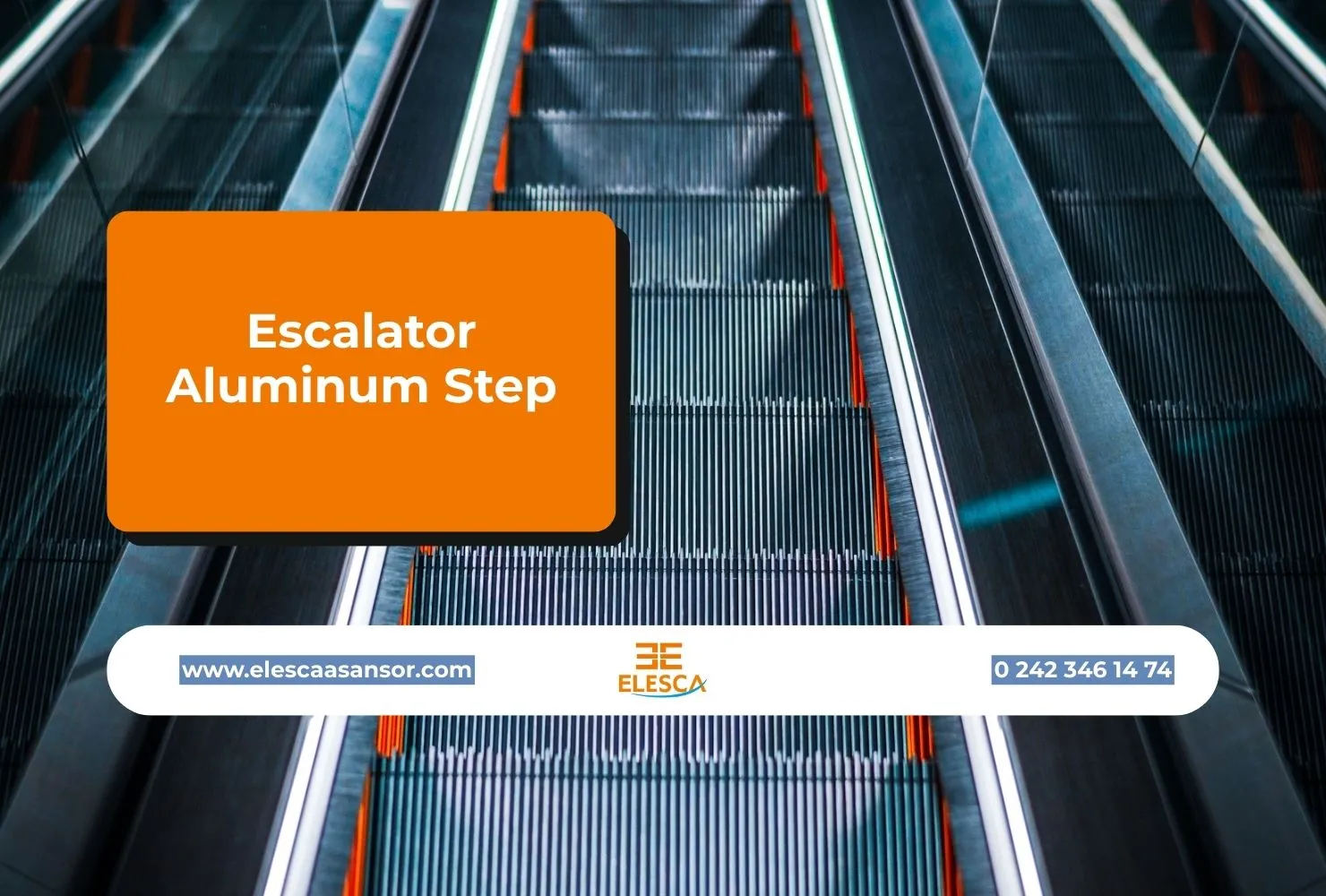
Escalator Aluminum Step
Escalator Aluminum Step Comprehensive Guide for Safety, Durability, and Performance
The escalator aluminum step is one of the most important structural elements ensuring smooth, safe, and efficient operation in modern escalator systems. Whether used in shopping malls, airports, metro stations, hospitals, or business centers, every escalator relies on robust and precisely engineered steps for optimal performance. As Elesca Elevator & Escalator Systems, we supply high-quality escalator handrail, pulley, step roller, step chain, comb plate, escalator control panel, step, C return chain, handrail inlet cover, and step skirting alongside our durable escalator aluminum step products.
Based in Antalya, Elesca Elevator & Escalator Systems provides dependable spare parts for elevators, escalators, and moving walks, offering solutions to both domestic and global markets. With expert solution partners and industry-leading manufacturers, we deliver reliability, long life, and superior performance in every component we supply.
What Is an Escalator Aluminum Step?
The escalator aluminum step is the moving platform on which passengers stand while the escalator is in operation. These steps are made from lightweight yet durable aluminum alloys designed to withstand continuous passenger load, friction, and environmental factors. The ribbed design and carefully engineered surface of each step provide enhanced grip, reducing slipping risks and improving passenger safety.
In modern escalator systems, aluminum steps are preferred due to their:
- Excellent strength-to-weight ratio
- Corrosion resistance
- Long operating life
- Compatibility with high-traffic environments
The combination of lightweight design and high durability makes escalator aluminum steps ideal for commercial and industrial escalators that run over extended periods.
Key Features of Escalator Aluminum Steps
High-quality escalator aluminum steps include a variety of structural and safety-enhancing features. Below are the primary characteristics that make them indispensable components of an escalator system:
- Robust Aluminum Alloy Construction
Aluminum alloy provides durability, resistance to deformation, and protection against environmental effects such as humidity and temperature changes. This ensures the step performs consistently without bending or cracking, even under heavy loads.
- Precision Ribbed Surface
The ribbed pattern on the step surface enhances friction, helping passengers maintain stable footing. This design is crucial for preventing slips, especially in busy or wet environments such as airports or metro stations.
- Integrated Step Nose Design
The step nose, usually colored yellow for visibility, defines the boundaries of each step. It helps passengers identify where to stand safely and contributes to compliance with international safety standards.
- High Load Capacity
Each escalator aluminum step is engineered to bear constant rotational force and passenger weight. This ensures reliable operation even during peak traffic periods.
- Compatibility with Step Rollers and Chains
For smooth movement, aluminum steps must work perfectly with step rollers, step chains, and the C return chain. A synchronized system ensures quiet operation and minimal vibration.
Why Aluminum Is the Preferred Material for Escalator Steps
Choosing aluminum for escalator steps is not accidental. The advantages of using aluminum include:
Lightweight Structure
Aluminum reduces the load on the step chain and drive mechanism. This:
- Lowers energy consumption
- Reduces wear on mechanical parts
- Ensures smoother operation
Corrosion Resistance
Escalators located outdoors or in humid environments require materials resistant to oxidation. Aluminum provides excellent resistance, extending the service life of the entire escalator system.
High Thermal Stability
Continuous movement and friction generate heat in escalator systems. Aluminum’s thermal conductivity disperses heat efficiently, preventing damage to surrounding components.
Longevity and Low Maintenance
Unlike heavier or less durable materials, aluminum requires minimal maintenance. This offers cost savings for building management teams.
How Escalator Aluminum Steps Work
The working mechanism of an escalator aluminum step is a seamless combination of mechanical engineering and precision alignment. Below is a simple breakdown of its operation:
- Step Chain Movement
Each step is attached to the step chain, which moves along the escalator tracks. The chain is responsible for the continuous, synchronized movement of all steps.
- Step Rollers Ensuring Smooth Travel
Step rollers located beneath each step allow them to glide along the track with minimal friction. These rollers help maintain proper alignment and reduce noise.
- Comb Plate Interface
Where the steps meet the landing platform, the comb plate ensures safe entry and exit for passengers. The design prevents objects from getting trapped between the steps and landing.
- Control Panel Coordination
The escalator control panel monitors and regulates movement, speed, and emergency functions. It ensures that the steps operate at a stable speed and stop safely if needed.
Common Problems and Wear Signs in Escalator Aluminum Steps
Although aluminum steps are engineered for long life, they are still susceptible to certain types of wear and malfunction, especially in high-traffic environments.
- Surface Damage
Heavy usage may cause dents, cracks, or worn rib patterns. A damaged surface increases slipping risks and requires timely replacement.
- Step Nose Wear
The yellow step nose may fade or break, reducing visibility and safety compliance.
- Improper Alignment
Misalignment often occurs due to worn step rollers or step chains, leading to noisy operation or uneven step movement.
- Structural Fatigue
Long-term continuous operation may cause fatigue cracks, especially in escalators exposed to outdoor conditions.
If any of these issues are identified, immediate maintenance or replacement is essential.
Maintenance Tips for Longer-Lasting Escalator Aluminum Steps
Proper maintenance greatly extends the lifespan of escalator aluminum steps. Building operators and technicians should follow these best practices:
- Regular Cleaning
Dust, dirt, and moisture accumulate on steps. Frequent cleaning prevents slip hazards and protects the ribbed pattern.
- Inspection of Step Rollers and Chains
Since steps rely on step rollers and step chains for movement, worn components must be replaced promptly.
- Lubrication of Moving Parts
Lubrication ensures smooth roller movement and reduces friction between moving components.
- Safety Checks
Technicians should regularly inspect:
- Step nose visibility
- Comb plate alignment
- Side clearance between steps and step skirting
- Replacement of Damaged Steps
Any step showing severe wear should be replaced immediately to maintain system integrity.
Benefits of High-Quality Escalator Aluminum Steps
Opting for premium steps ensures:
- Improved passenger safety
- Greater system efficiency
- Lower long-term maintenance costs
- Reduced operational downtime
- Extended escalator lifespan
Businesses with high foot traffic — such as shopping malls and airports — benefit significantly from using high-strength, precisely engineered steps.
Choosing the Right Escalator Aluminum Step
When selecting replacement steps, facility managers must consider:
- Model Compatibility
Each step must match the escalator brand and model. Compatibility ensures:
- Correct alignment
- Smooth movement
- Proper fit with rollers and chains
- Material Quality
High-density aluminum alloy is essential for durability and performance.
- Safety Standards Compliance
Steps should comply with EN, ISO, and local safety regulations.
- Supplier Reliability
Working with an experienced and trusted supplier ensures long-term benefits and product reliability.
Why Choose Elesca Elevator & Escalator Systems?
Elesca Elevator & Escalator Systems stands out in the industry with its focus on superior quality, professional service, and international partnerships. Our advantages include:
High-Quality Product Range
We supply a comprehensive range of components including:
- Escalator aluminum step
- Escalator handrail
- Pulley
- Step roller
- Step chain
- Comb plate
- Escalator control panel
- C return chain
- Handrail inlet cover
- Step skirting
Expert Technical Guidance
With years of experience, we understand the operational demands of escalators in different environments. We guide customers to select the correct spare parts for optimal performance.
International Supply Network
We deliver products to both Turkish and global markets, working with reliable logistics partners.
Commitment to Safety and Quality
All parts meet international safety and durability standards, ensuring long-lasting performance.
Reliable Customer Support
Our team is ready to assist with product selection, sourcing, and technical questions.
For more information or to place an order:
📞 +90 242 346 14 74
🏢 Elesca Elevator & Escalator Systems – Antalya
Industries Using Escalator Aluminum Steps
The escalator aluminum step is used in various high-traffic environments, such as:
- Shopping malls
- Public transport stations (metro, train, airport)
- Hospitals
- Hotels
- Business centers
- Educational institutions
- Large commercial complexes
In any environment where safety, consistent performance, and durability are crucial, aluminum steps offer the ideal solution.
Installation Considerations for Escalator Aluminum Steps
Proper installation is essential for long-term performance. Key factors include:
- Accurate Fit
The step must fit seamlessly into the escalator mechanism. Any misalignment may cause jamming or uneven movement.
- Integration with Other Components
For smooth operation, the step must work harmoniously with:
- Step rollers
- Step chain
- Comb plate
- C return chain
- Handrail inlet cover
- Professional Assembly
Only certified technicians should install replacement steps to ensure compliance with safety standards.
The escalator aluminum step plays a critical role in the performance, safety, and longevity of escalator systems. Its lightweight yet durable construction, ribbed safety surface, and precision engineering make it an essential component for all types of escalators.
Elesca Elevator & Escalator Systems provides high-quality, internationally trusted escalator components — including escalator handrail, pulley, step roller, step chain, comb plate, escalator control panel, step skirting, C return chain, and handrail inlet cover — ensuring exceptional performance and long service life for your escalator systems.
For reliable escalator spare parts and expert support, contact us today at +90 242 346 14 74.


