
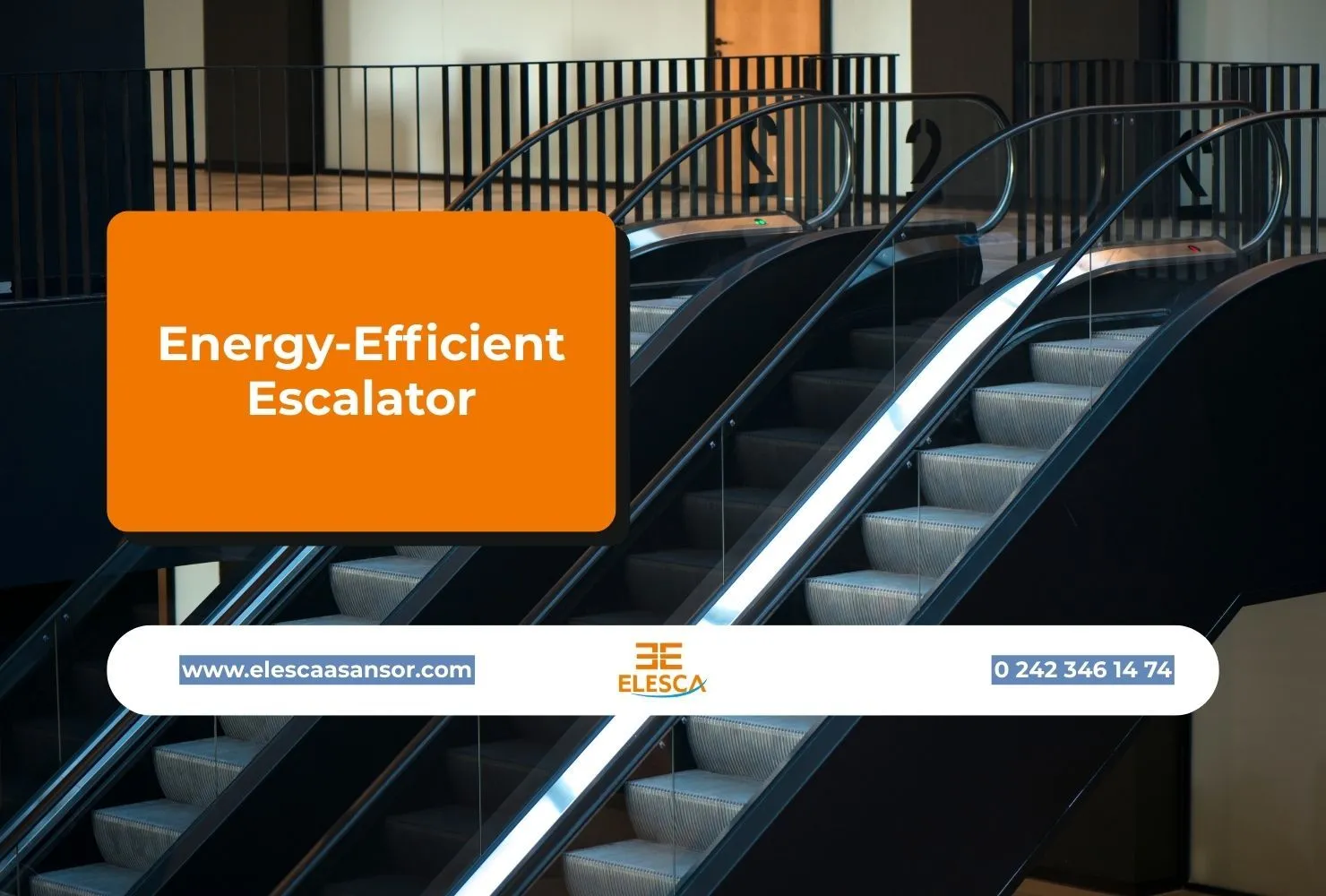
Energy-Efficient Escalator
Energy-Efficient Escalator Smart Mobility Solutions for Modern Buildings
In today’s world of sustainable architecture and rising energy costs, investing in an Energy-Efficient Escalator is no longer optional—it is essential. Commercial buildings, shopping malls, airports, metro stations, and hospitals rely heavily on escalator systems for uninterrupted vertical transportation. However, traditional systems can consume significant energy if not optimized.
At Elesca Elevator & Escalator Systems, based in Antalya, we specialize in high-quality escalator spare parts that improve performance, safety, and long-term efficiency. By integrating advanced components such as Escalator Handrail, Pulley, Step Roller, Step Chain, Comb Plate, Escalator Control Panel, C Return Chain, Handrail Inlet Cover, and Step Skirting, building owners can significantly enhance escalator energy efficiency while maintaining superior reliability.
What Is an Energy-Efficient Escalator?
An Energy-Efficient Escalator is a vertical transportation system designed to minimize electricity consumption while maintaining optimal passenger capacity and safety. These systems use intelligent drive technology, optimized mechanical components, and advanced control panels to reduce unnecessary power usage.
Key Features
- Variable speed drive systems
- Standby or sleep mode during low traffic
- High-efficiency motors
- Precision-engineered Step Chain and C Return Chain
- Low-friction Step Roller systems
- Smart Escalator Control Panel monitoring
- Durable and low-resistance Escalator Handrail
Why Energy Efficiency Matters in Escalator Systems
Escalators operate for long hours daily, especially in high-traffic environments such as:
- Shopping malls
- Airports
- Metro stations
- Hospitals
- Office buildings
- Hotels
In these facilities, escalators may run continuously for 16–24 hours a day. Without an optimized Energy-Efficient Escalator, operational costs can increase dramatically.
Benefits of Energy-Efficient Escalators
- Reduced electricity bills
- Lower carbon footprint
- Extended component lifespan
- Reduced maintenance frequency
- Improved passenger comfort
- Compliance with sustainability certifications
How Escalator Components Influence Energy Efficiency
An Energy-Efficient Escalator is not defined by a single feature. It is the result of a perfectly coordinated system where each component plays a role.
- Escalator Handrail
The Escalator Handrail must operate smoothly and maintain synchronized movement with steps. High-friction or worn-out handrails increase motor load, leading to higher energy consumption. Premium handrails reduce resistance and improve drive efficiency.
- Step Roller System
The Step Roller ensures smooth step movement along the tracks. Poor-quality rollers create friction, vibration, and additional load on the motor. High-precision rollers reduce rolling resistance and contribute directly to Energy-Efficient Escalator performance.
- Step Chain and C Return Chain
The Step Chain is one of the most critical mechanical components. Its tension, alignment, and lubrication directly affect energy consumption. A well-manufactured C Return Chain ensures consistent step circulation with minimal drag, supporting long-term efficiency.
- Pulley Mechanism
The Pulley system transfers motion from the motor to the escalator steps. Balanced and precisely engineered pulleys reduce torque loss and mechanical strain. This results in optimized energy use and improved escalator lifespan.
- Escalator Control Panel
Modern Escalator Control Panel systems incorporate smart energy-saving modes such as:
- Automatic slow-speed mode
- Passenger detection sensors
- Soft start and stop technology
- Load-based power adjustment
These intelligent features are central to every Energy-Efficient Escalator installation.
- Comb Plate
The Comb Plate ensures safe passenger entry and exit. Proper alignment reduces step friction and mechanical stress, indirectly improving energy efficiency by maintaining smooth step circulation.
- Step Skirting
High-quality Step Skirting reduces friction between the step edge and the side panels. Precision installation minimizes mechanical drag and contributes to energy savings.
- Handrail Inlet Cover
The Handrail Inlet Cover protects internal components from dust and debris. Clean internal systems operate more smoothly, reducing strain on motors and improving overall Energy-Efficient Escalator performance.
Smart Technologies in Energy-Efficient Escalator Systems
Technological innovation plays a crucial role in modern escalator efficiency.
Variable Frequency Drives (VFD)
VFD systems allow escalators to adjust speed according to passenger demand. During low traffic periods, the escalator operates at reduced speed, significantly lowering power consumption.
Regenerative Drive Systems
Advanced Energy-Efficient Escalator systems can regenerate electricity during downward operation with heavy passenger loads. The recovered energy can be fed back into the building’s power system.
Passenger Detection Sensors
Motion sensors detect approaching passengers and activate full-speed operation only when needed. When idle, the escalator shifts to standby mode.
Energy Savings Calculation
While savings depend on traffic volume and building type, an Energy-Efficient Escalator can reduce energy consumption by up to 30–40% compared to conventional systems.
Example Scenario
- Operating hours: 20 hours per day
- Traditional escalator annual energy cost: High
- Energy-efficient system reduction: 35%
- Estimated ROI period: 2–4 years
This makes upgrading components like Step Roller, Step Chain, and Escalator Control Panel a strategic investment.
Maintenance and Energy Efficiency
Regular maintenance is critical to maintaining Energy-Efficient Escalator performance.
Maintenance Checklist
- Inspect Step Chain tension
- Lubricate C Return Chain
- Check Pulley alignment
- Replace worn Step Roller units
- Inspect Escalator Handrail surface integrity
- Clean around Comb Plate and Step Skirting
- Verify Escalator Control Panel software settings
Neglecting these components increases friction, motor load, and energy consumption.
Sustainable Architecture and Escalator Integration
Green building certifications such as LEED and BREEAM prioritize energy-efficient transportation systems. Installing an Energy-Efficient Escalator supports:
- Reduced operational carbon footprint
- Sustainable building design
- Lower lifecycle energy use
- Improved environmental rating
By using premium spare parts from Elesca Elevator & Escalator Systems, facilities can meet modern sustainability standards.
Applications of Energy-Efficient Escalators
Shopping Centers
High foot traffic requires durable Step Chain and Step Roller systems to maintain efficiency throughout long operational hours.
Airports
Energy optimization is critical in airports operating 24/7. Intelligent Escalator Control Panel systems reduce unnecessary power consumption during off-peak hours.
Metro Stations
Metro systems benefit from robust Pulley, C Return Chain, and Comb Plate systems that ensure durability and long-term efficiency.
Hospitals
Quiet and smooth operation supported by quality Escalator Handrail and Step Skirting systems improves passenger comfort while reducing energy waste.
Why Choose Elesca Elevator & Escalator Systems?
Elesca Elevator & Escalator Systems, based in Antalya, supplies high-quality escalator spare parts to domestic and international markets. We collaborate with leading industry brands and expert solution partners to deliver reliable, durable, and performance-driven products.
Our Product Range Includes:
- Escalator Handrail
- Pulley
- Step Roller
- Step Chain
- Comb Plate
- Escalator Control Panel
- C Return Chain
- Handrail Inlet Cover
- Step Skirting
Each component is designed to support Energy-Efficient Escalator systems by minimizing friction, optimizing mechanical balance, and ensuring long-term reliability.
Frequently Asked Questions
What makes an escalator energy-efficient?
An Energy-Efficient Escalator uses smart control systems, high-efficiency motors, precision-engineered chains and rollers, and standby technology to reduce electricity consumption.
Can existing escalators be upgraded?
Yes. Replacing components such as Step Roller, Step Chain, and upgrading the Escalator Control Panel can significantly improve efficiency without full system replacement.
How often should components be maintained?
Preventive maintenance every 3–6 months ensures the Energy-Efficient Escalator operates at peak performance.
Do energy-efficient escalators cost more?
Initial investment may be slightly higher, but long-term energy savings and reduced maintenance costs result in lower total lifecycle expenses.
Future Trends in Energy-Efficient Escalator Technology
The future of Energy-Efficient Escalator systems includes:
- AI-based traffic prediction
- IoT-enabled remote monitoring
- Advanced regenerative drives
- Lightweight composite step materials
- Smart lubrication systems for Step Chain and C Return Chain
As energy regulations become stricter, smart escalator solutions will become the industry standard.
An Energy-Efficient Escalator is a strategic investment that reduces operational costs, supports sustainability goals, and enhances system reliability. By integrating high-quality components such as Escalator Handrail, Pulley, Step Roller, Step Chain, Comb Plate, Escalator Control Panel, C Return Chain, Handrail Inlet Cover, and Step Skirting, building owners can significantly improve efficiency and long-term performance.
Elesca Elevator & Escalator Systems proudly supplies premium spare parts from Antalya to global markets. Our commitment to quality, durability, and innovation ensures that your escalator systems operate at maximum efficiency.
For detailed product information and professional support, contact us:
Elesca Elevator & Escalator Systems
Phone: +90 242 346 14 74
Upgrade today and power your building with a smarter, more sustainable Energy-Efficient Escalator solution.


